
Iron
Measured in mg · mineral
Iron is a mineral, measured in milligrams.
Why it matters
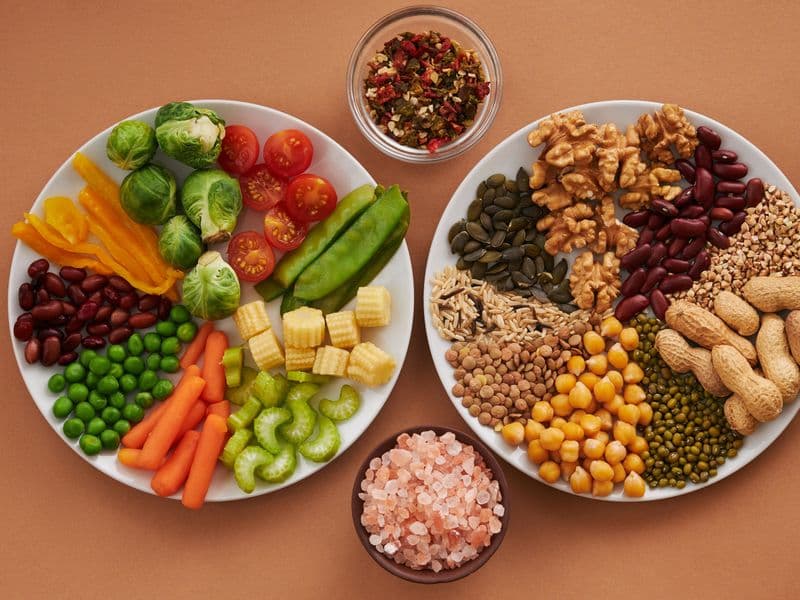
Iron is found in both animal and plant foods, though the form differs. Comparisons help identify sources.
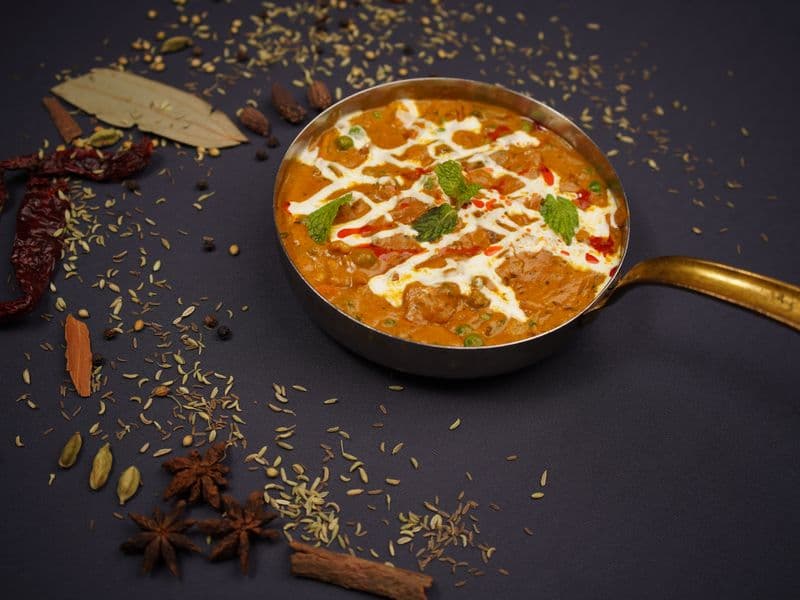
Top food sources
Highest published foods per 100 g. Values are source-traceable (USDA FoodData Central).
| # | Food | per 100 g (mg) |
|---|---|---|
| 1 | Toast Chee Sandwich Crackers | 180 |
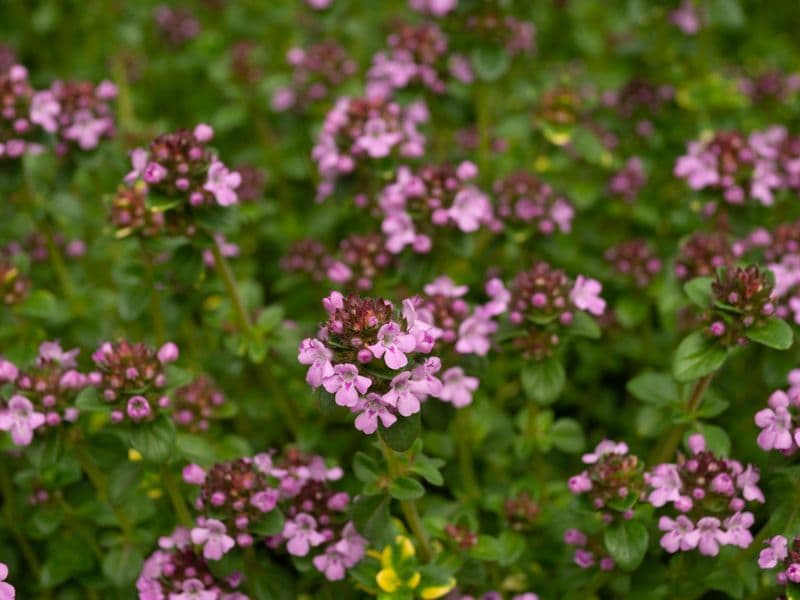
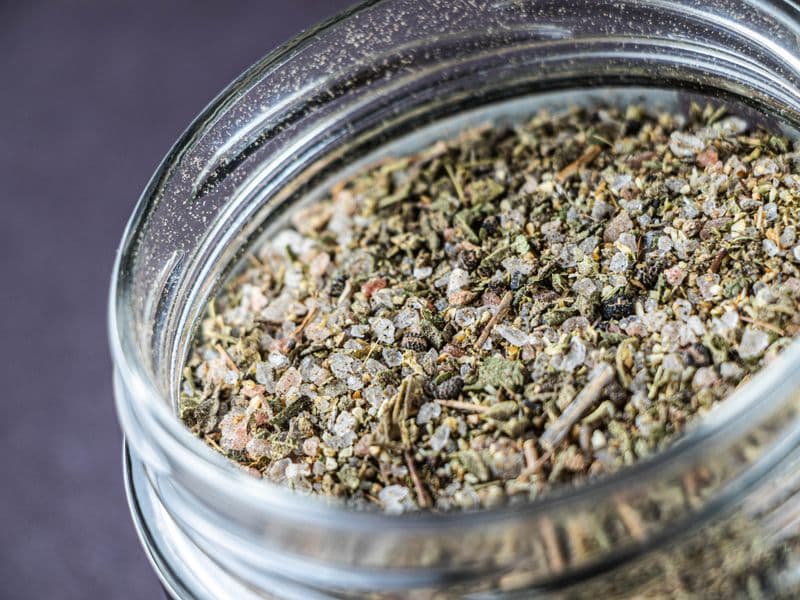
| 2 | Thyme, dried | 123.6 |
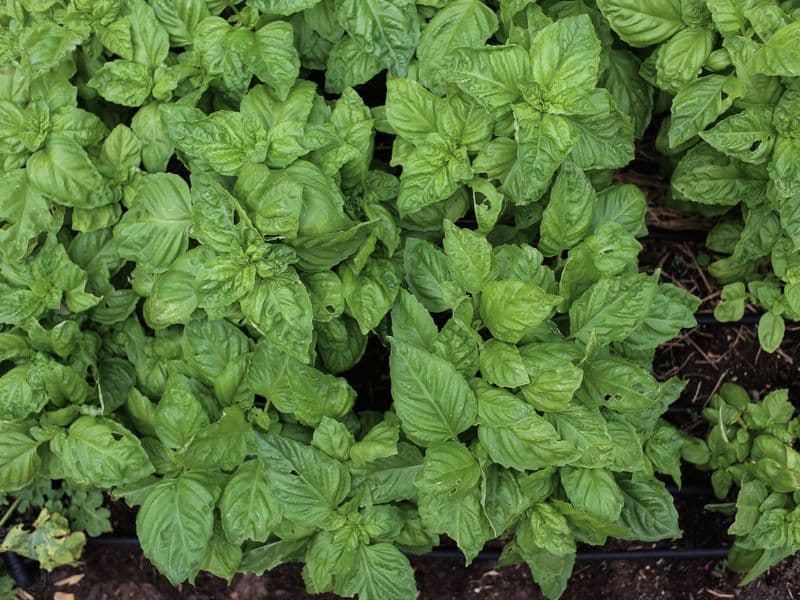
| 3 | Basil, dried | 89.8 |
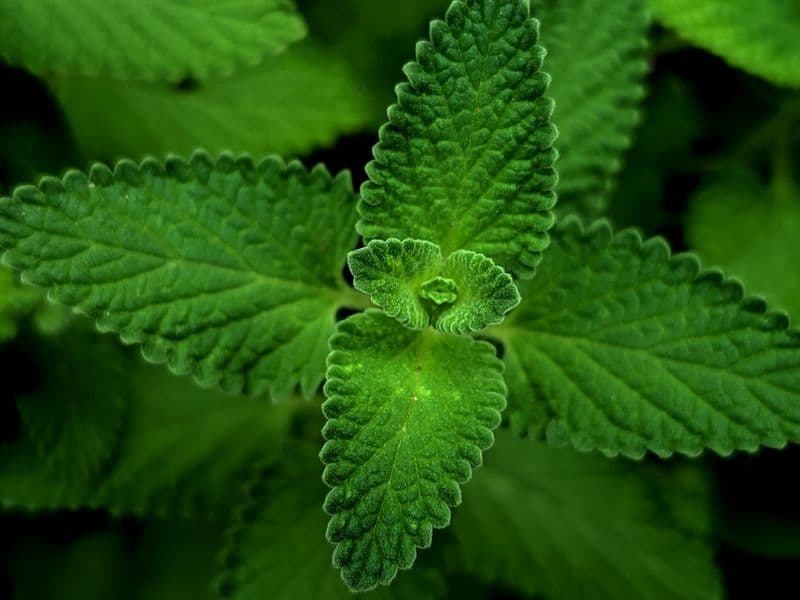
| 4 | Spearmint, dried | 87.5 |
| 5 | Marjoram, dried | 82.7 |
| 6 | Nacho Cheese | 75 |
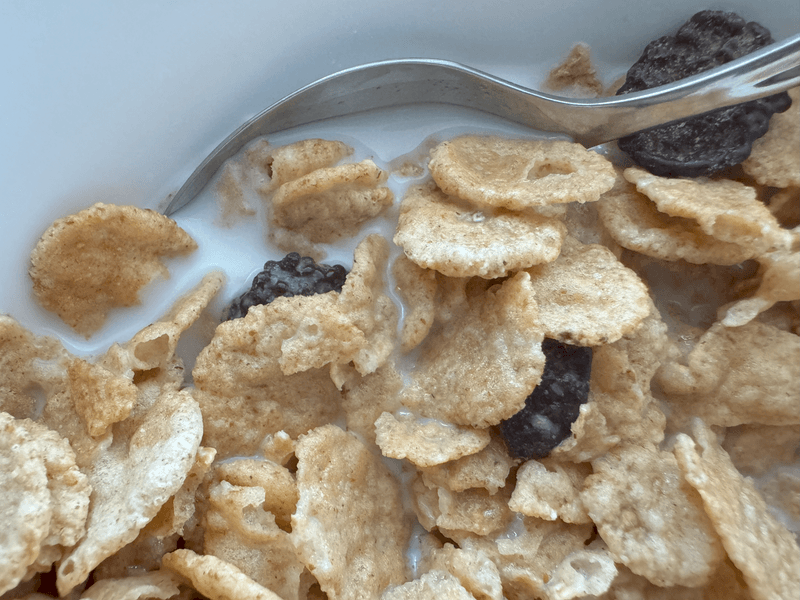
| 7 | Bran flakes cereal | 67.7 |
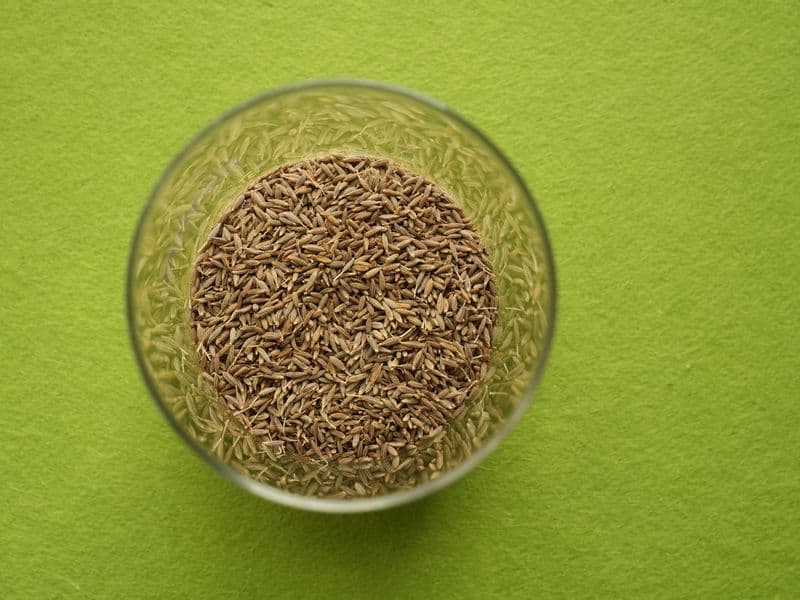
| 8 | Cumin, ground | 66.4 |
| 9 | Turmeric, ground | 55 |
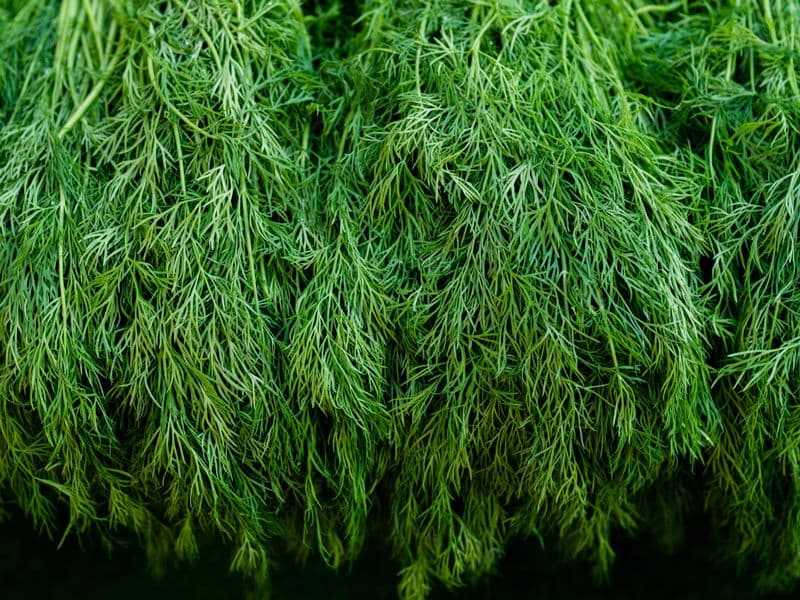
| 10 | Dill weed, dried | 48.8 |
| 11 | Celery seed | 44.9 |
| 12 | Bay leaf | 43 |
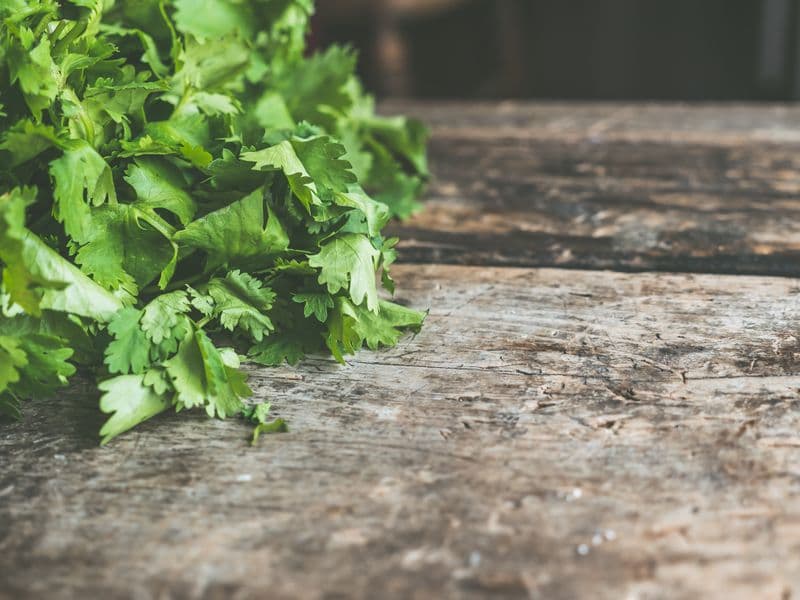
| 13 | Coriander leaf, dried | 42.5 |
| 14 | Savory, dried | 37.9 |
| 15 | Savory, ground | 37.9 |

Frequently asked questions
- What is Iron?
- Iron is a mineral, measured in milligrams.
- What foods are highest in Iron?
- Among the foods in Foodatron, the richest sources of Iron per 100 g include Toast Chee Sandwich Crackers, Thyme, dried, Basil, dried, Spearmint, dried, Marjoram, dried. The full ranked list is on this page.
- What is Iron measured in?
- Iron is measured in mg. Foodatron shows every food's Iron per 100 g edible portion.
- Why is Iron important?
- Iron is found in both animal and plant foods, though the form differs. Comparisons help identify sources.
Educational information only — not medical or dietary advice for any individual. See our methodology.